

The shortage of stenographers has reached a critical point, affecting courts across the country, such as in Texas, Arkansas and Iowa, and undermining the legal system’s ability to maintain accurate records of proceedings. In Mississippi, this shortage has caused significant delays, and in some cases, the absence of a record altogether.
A verbatim court record is essential, capturing the dialogue between judges, lawyers, and witnesses, as well as oral rulings. The accuracy of these records is vital for transparency, appeals, case reviews, and legal strategy. However, the growing number of retirements and a lack of new recruits threatens access to these crucial records.
To address this crisis, the Coalition to Capture the Record advocates for expanding access to alternative, yet equally accurate, methods of capture – specifically, digital and voice reporting.
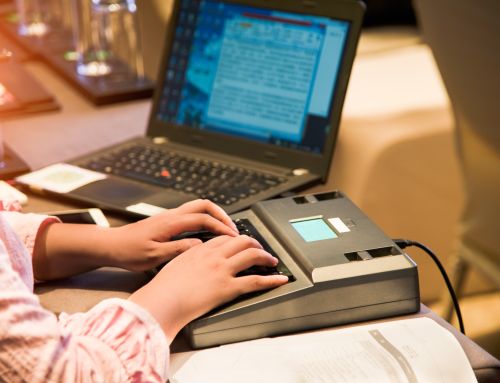
While stenography may be the most well-known, voice writing and digital reporting are also nationally recognized methodologies and all three employ highly trained professionals using purpose-built hardware and software. These reporters undergo extensive training and uphold the same high standards of accuracy, integrity, and impartiality, which are fundamental to the legal process.
By incorporating more reporters, regardless of methodology, we preserve another crucial element of justice: keeping a human in the room. Unlike unmanned recording systems, court reporters provide critical oversight, actively managing proceedings and ensuring that everything is captured accurately in complex environments. Multiple speakers, overlapping dialogue, emotional testimony, accents, legal jargon, and rapid exchanges between attorneys and witnesses are just a few of the nuances that court reporters – whether they be stenographers, voice writers, or digital reporters – must navigate in real-time. These complexities simply cannot be replicated by automated systems.
Embracing digital reporting and voice writing allows courts to expand the pool of qualified professionals while preserving the human element essential to producing reliable legal records. By diversifying the methodologies, courts can alleviate the burden caused by the stenographer shortage without sacrificing the accuracy or reliability of legal records. Access to justice relies on accurate documentation, and only by including these alternative methods can we ensure that justice is delivered efficiently and effectively.

Court reporters matter – but the methodology shouldn’t. As long as core principles – human oversight, accuracy, and impartiality are preserved, courts can embrace digital and voice reporting to help provide timely, reliable records. This will ensure that litigants’ rights are protected in every case, regardless of the method used.

Leave A Comment