
Courts in Los Angeles are piloting the use of AI amid a growing staffing shortage in the legal system to support judges review motion summaries and to write draft orders.
But as this coalition advocates, there’s no one technology or application that can solve for this growing workforce challenge.
In California alone, the stenographer shortage has resulted in hundreds of thousands of proceedings in California occurring without a verbatim record. For litigants, that means limited ability to appeal, reduced transparency, and real concerns about due process.
And this issue is not confined to the courtroom.
The shortage is increasingly affecting depositions and discovery — the foundation of case preparation. When reporters are unavailable, depositions are delayed, timelines stretch, and the cost of litigation rises. Cases take longer to move forward, placing additional strain on both litigants and the courts.
The system is under extreme pressure. There is, however, a practical path forward.
Multi-Method Approach to Solving the Shortage
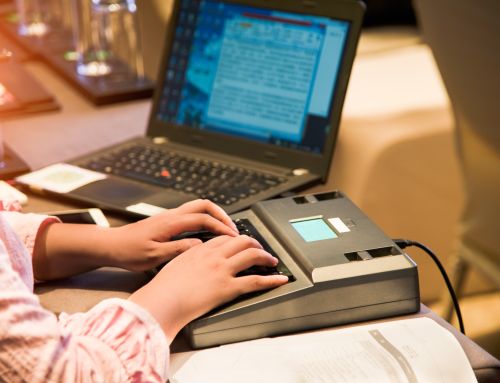
Court reporting is not limited to a single method. In addition to stenography, courts can rely on voice writing and digital reporting — approaches that are already used successfully in jurisdictions across the country.
Each method brings value, but no single approach can meet the current demand on its own.
That is why the solution is not technology or people — it is both.
Courts need the flexibility to expand approved methods of capturing the record, while ensuring that trained, certified professionals remain responsible for accuracy and accountability. Technology can support that work — but it cannot replace it.

A modern, multi-method approach gives legal professionals the tools they need to ensure that every proceeding — from deposition through trial — can be reliably recorded.
The stakes are clear.
The court reporter shortage is already affecting courts, delaying depositions, increasing costs, and slowing the resolution of cases. In some jurisdictions, proceedings have moved forward without a verbatim record at all.
That is not sustainable. Or acceptable.
Access to justice depends on more than efficiency. It depends on a reliable, certified record of what actually happened — at every stage of a case.
Technology can help meet that need.
But trained professionals remain essential to fulfilling it.
The future of the record will require both.

Leave A Comment